What you see.
Heartwood reddish brown to deep chocolate, often with darker streaks and lighter banding. Pale yellow sapwood, sharp line. Color and figure can swing wildly across boards from the same tree.
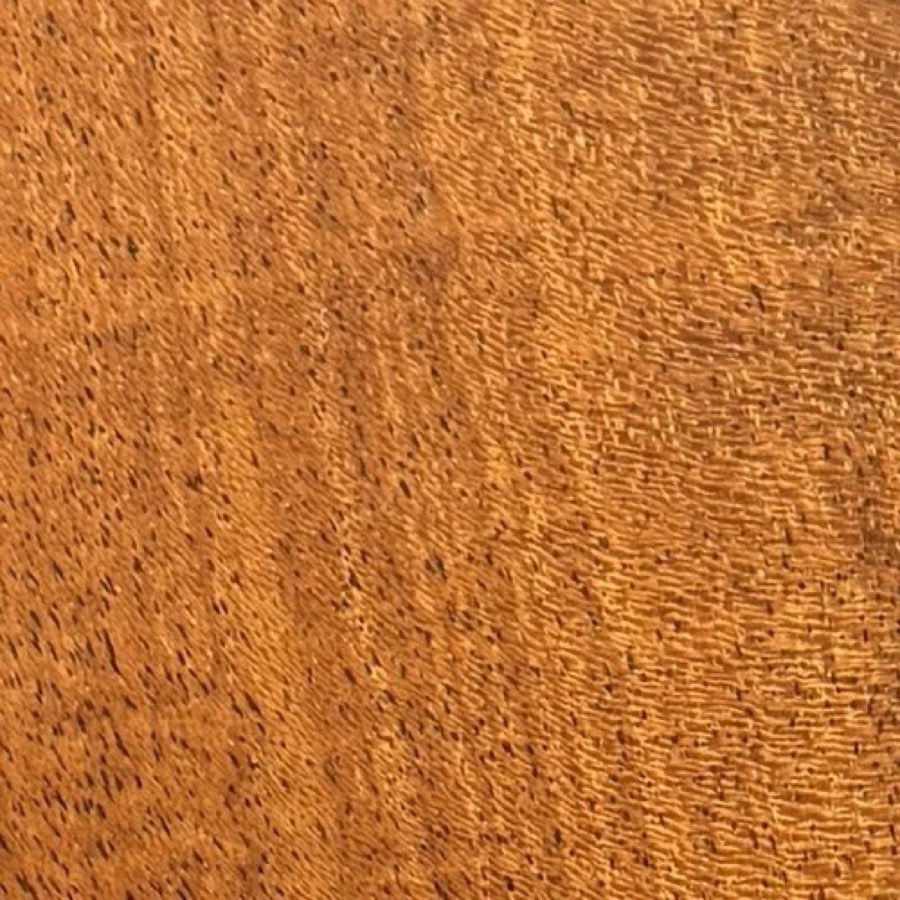
Heartwood, this specimen
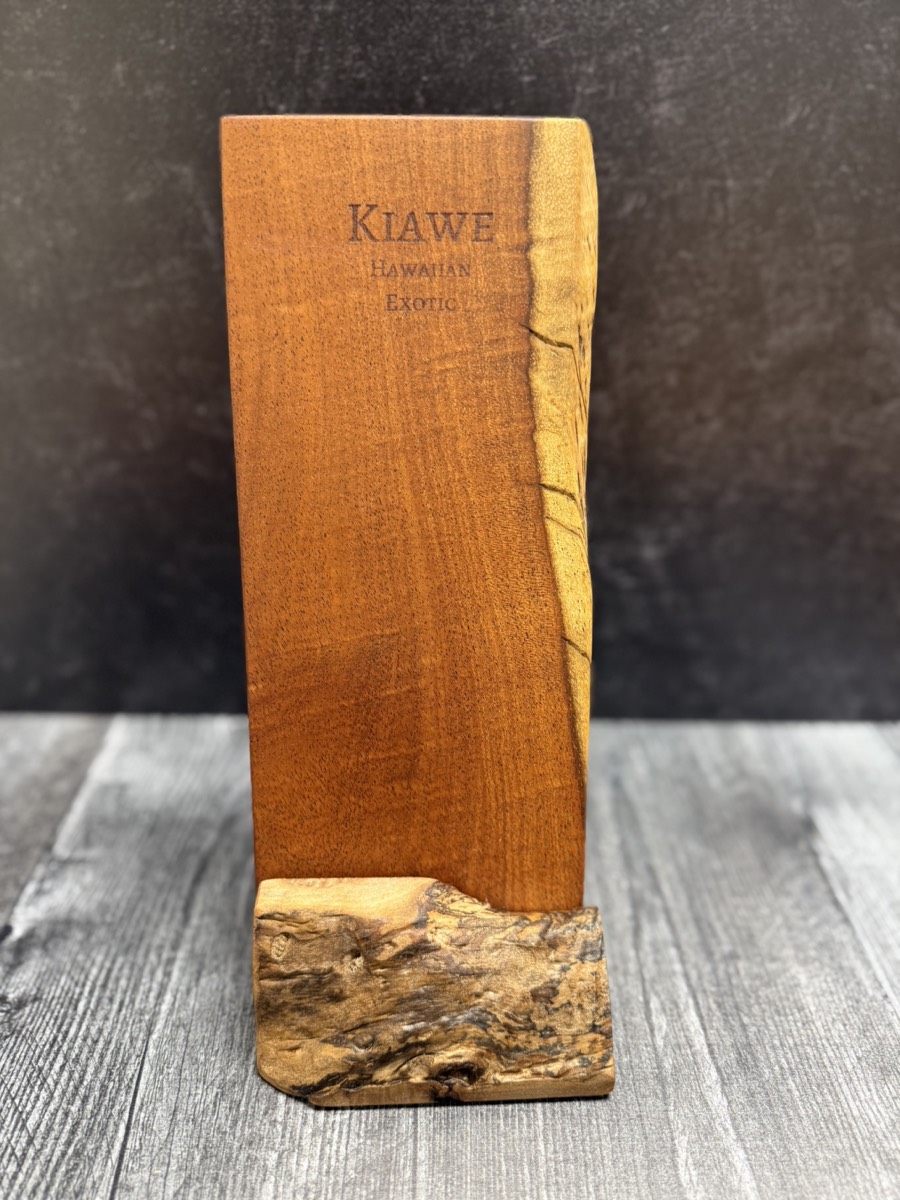
Invasive in Hawaiʻi since 1828. The grilling wood. The honey wood. The problem.
Kiawe (Prosopis pallida) is an exotic hardwood with a Janka hardness of 2330 lbf. Its heartwood ranges from reddish brown to deep chocolate with darker streaks and lighter banding, and it is very durable, resisting decay, termites, and marine borers.
Prosopis pallida Hawaiian Mesquite · Hawaiian Mesquite · Native to the dry Pacific coast of Peru
Native to the dry Pacific coast of Peru.
Complicated cultural spot in Hawaii — historically valued for shade, honey, firewood, and grilling, currently a serious invasive. Heartwood reddish brown to deep chocolate, often with darker streaks and lighter banding.
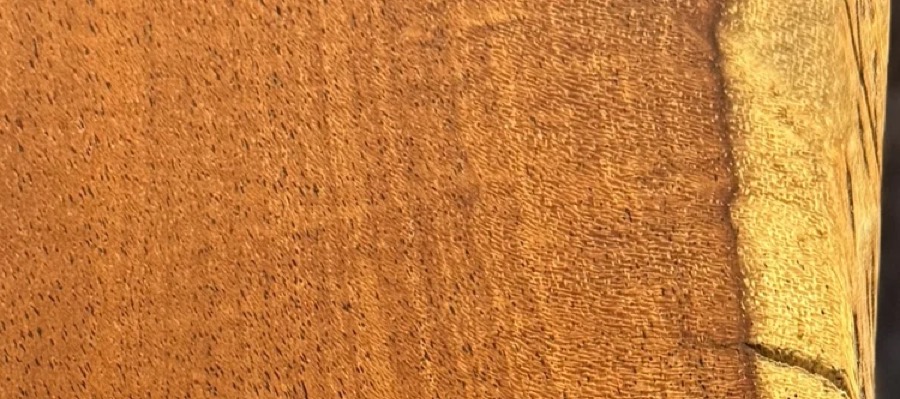
Heartwood reddish brown to deep chocolate, often with darker streaks and lighter banding. Pale yellow sapwood, sharp line. Color and figure can swing wildly across boards from the same tree.
Heartwood, this specimen
Irregular. Interlocked. Often wavy — the tree grows gnarled and the wood shows it. Medium texture, good luster. Knots, included bark, and ring shake come with the territory.
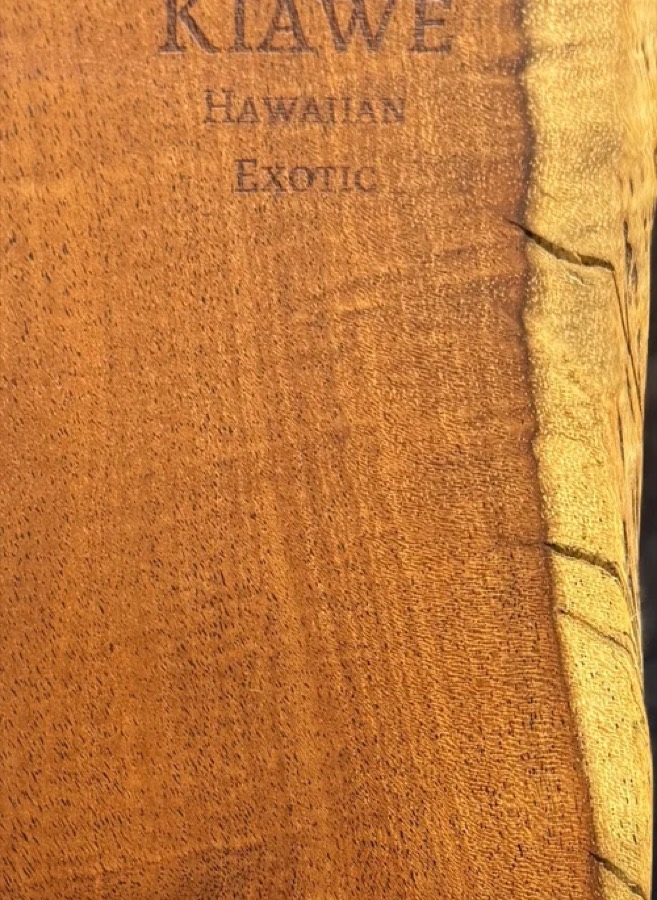
Closer in
Very durable. Resists decay, termites, and marine borers about as well as anything we mill. Sapwood is non-durable. Dense but stable. Machines, turns, and carves to a fine surface once you get clear stock — and clear stock is the hard part. Sharp tooling. Glues and finishes well. Dry it slow or it checks. Mild and slightly sweet at the cut. The smoke is the defining flavor of Hawaiian grilling. Live-tree thorns are the main hazard. Dust occasionally irritates skin and lungs. Otherwise nothing notable.
0lbf
10,360 N. Side-hardness — force to embed a half-inch steel ball halfway into the wood.
0lbs/ft³
830 kg/m³. At 12% MC.
0.66/ 0.83 at 12% MC
Basic over green volume; second number at 12% moisture content.
A side-hardness measurement. Higher number, harder wood.
On sourcing
Not on CITES. IUCN Least Concern. Listed as invasive by the Hawaii Invasive Species Council. It runs lowland dry-forest areas and pushes out native plants. Cutting it for lumber, charcoal, or firewood is an ecological win — supply is essentially unlimited and harvesting is encouraged.
Complicated cultural spot in Hawaii — historically valued for shade, honey, firewood, and grilling, currently a serious invasive. Every kiawe in Hawaii reputedly traces back to one 1828 mission tree planted in Honolulu. One of the great founder-event invasions on record.
From the library to your bench
Tell us what you're building and we'll cut to order.
Request a slab or a cut →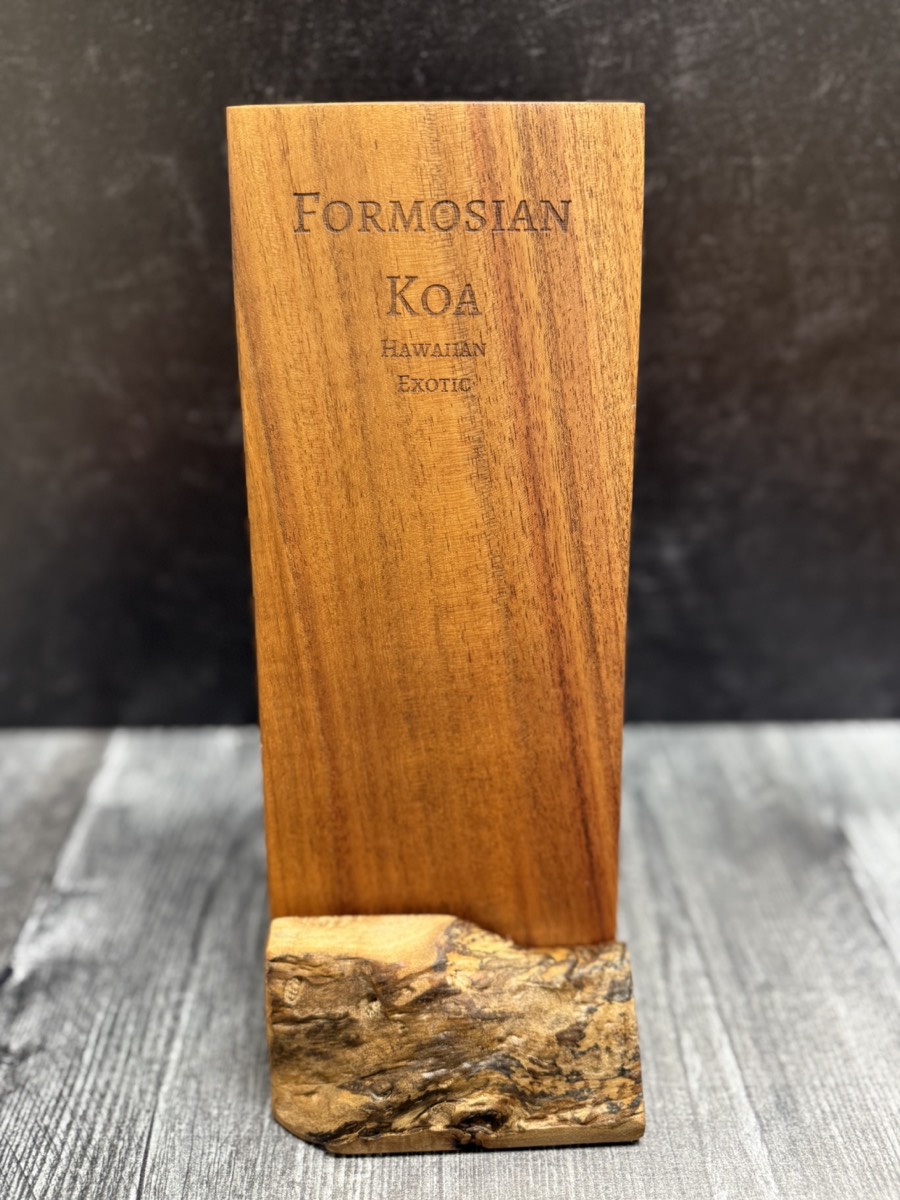
Acacia confusa
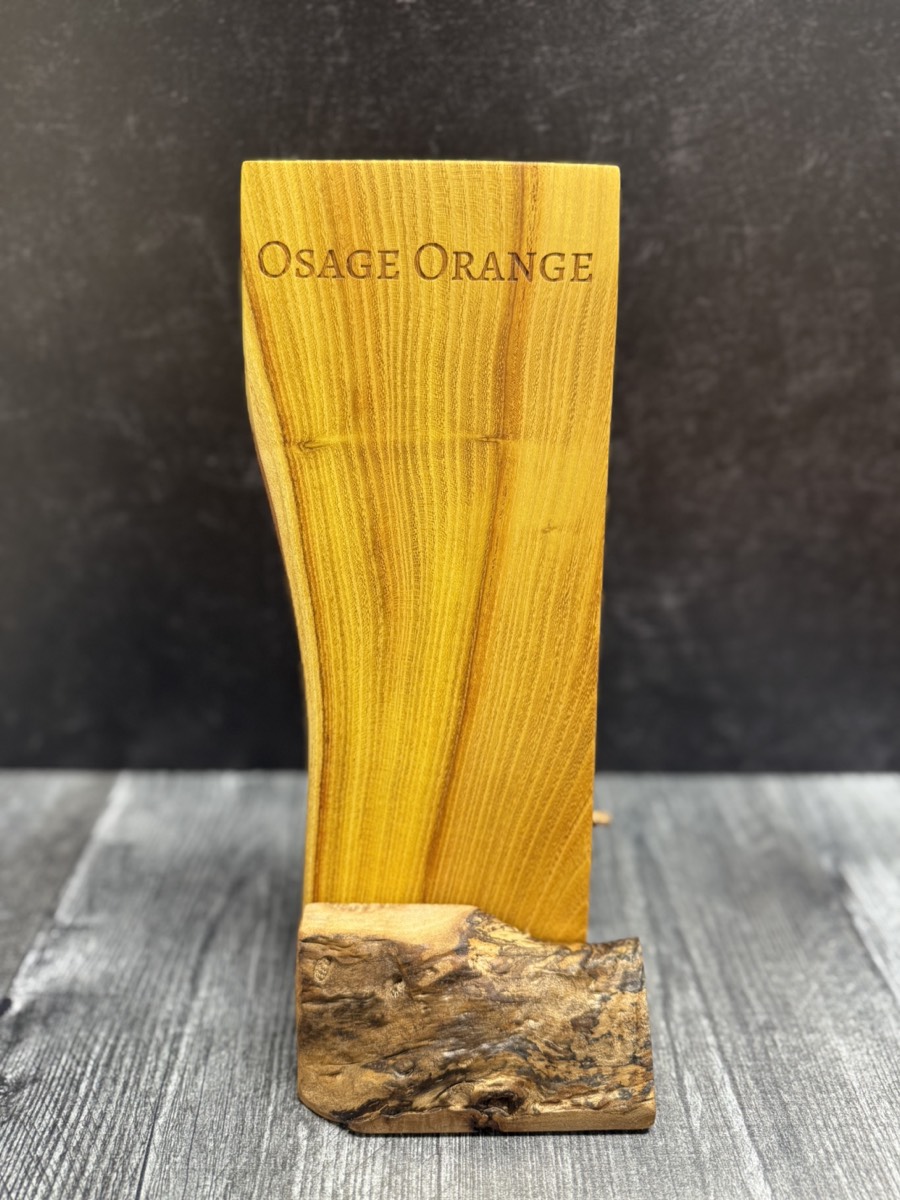
Maclura pomifera
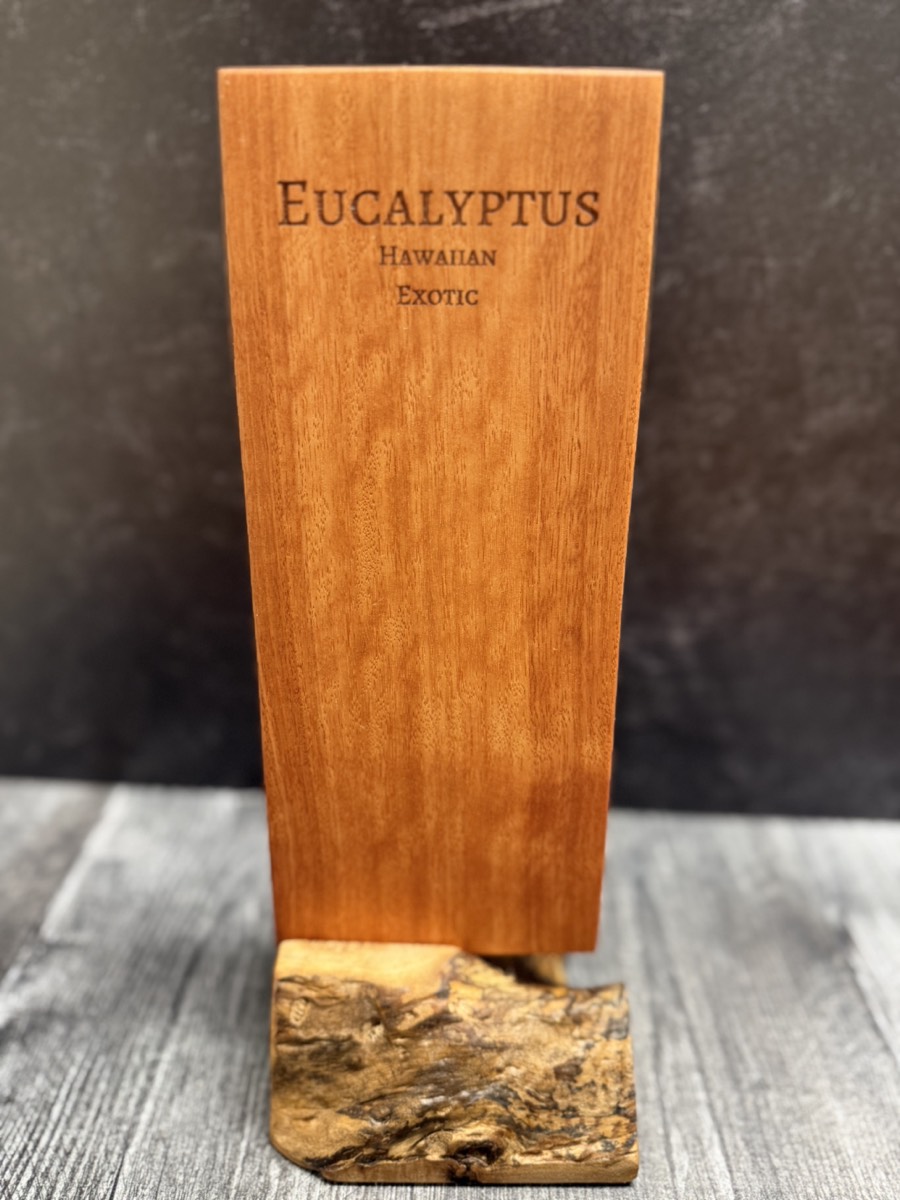
Eucalyptus globulus
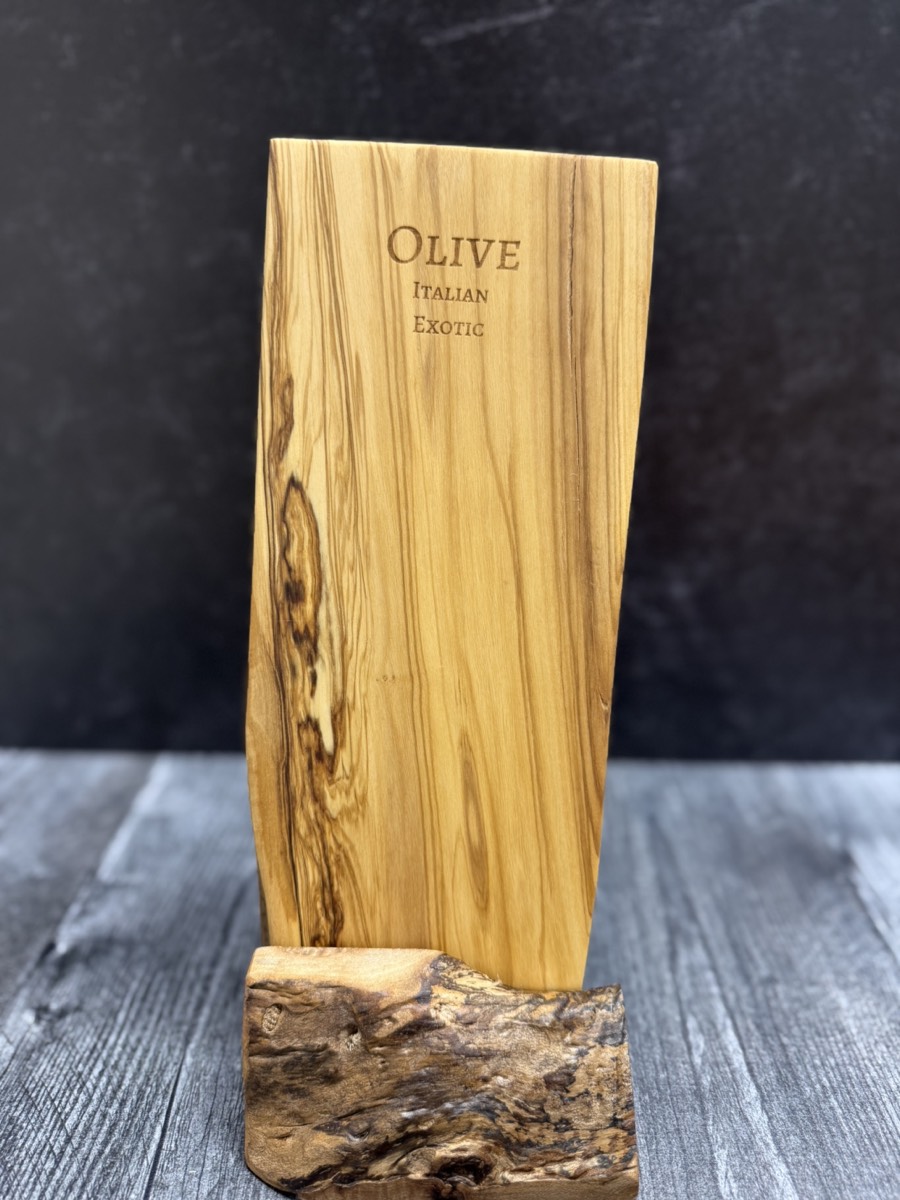
Olea europaea