Raw HeartwoodXylarium
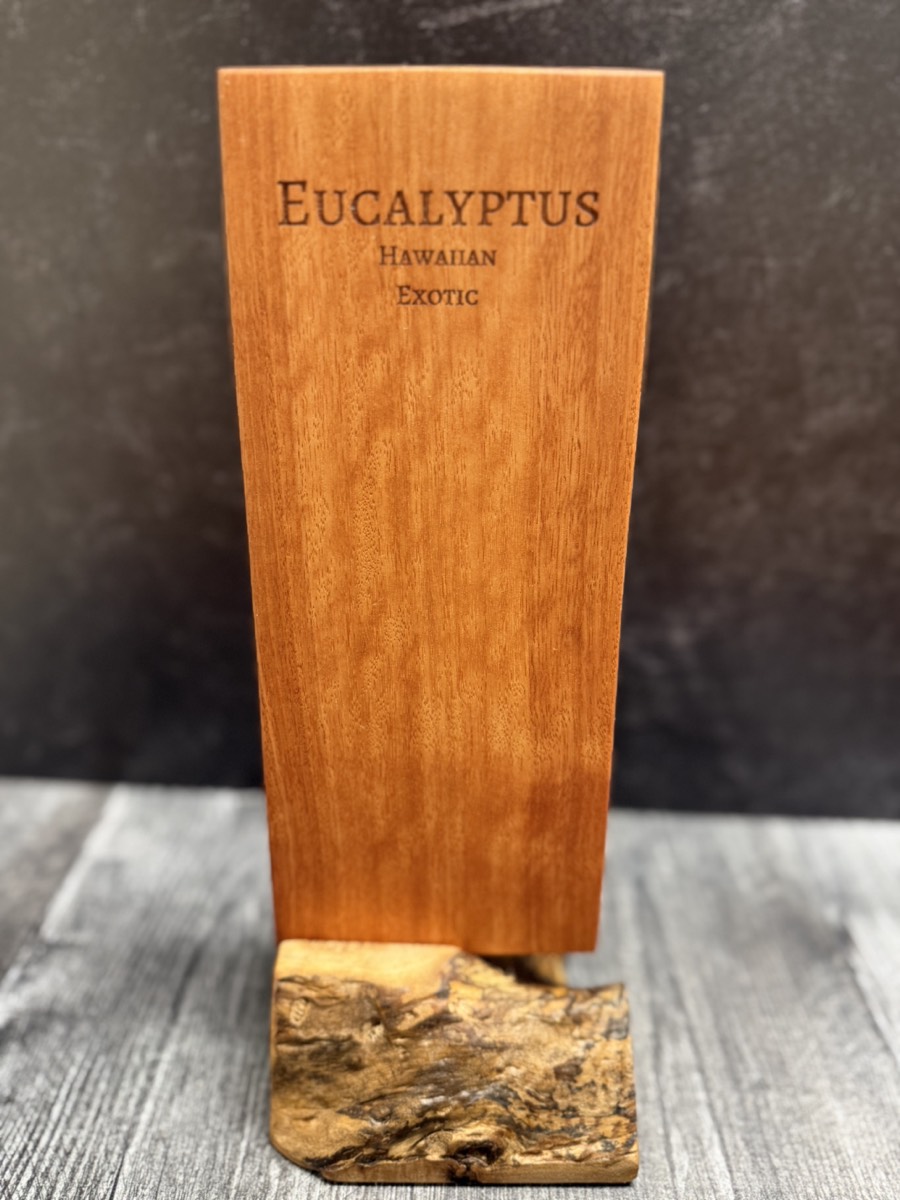
Eucalyptus specimen — Eucalyptus globulus
ExoticEucalyptus globulus

Eucalyptus

The most planted hardwood on earth. Specs swing hard across the genus.

Eucalyptus (Eucalyptus globulus), or Tasmanian Blue Gum, is an exotic hardwood with a Janka hardness of 1990 lbf. Its heartwood is pale yellow-brown to light pinkish brown, deepening to warm tan with age, and quartersawn faces show a clean ribbon figure.

Category
Exotic
Janka
1,990 lbf
Botanical
Eucalyptus globulus
Shipped at
6–8% MC

Eucalyptus globulus Tasmanian Blue Gum · Tasmanian Blue Gum · Native to Tasmania and southern Victoria

Native to Tasmania and southern Victoria.

Specs swing hard across the genus. Heartwood pale yellow-brown to light pinkish brown on E.

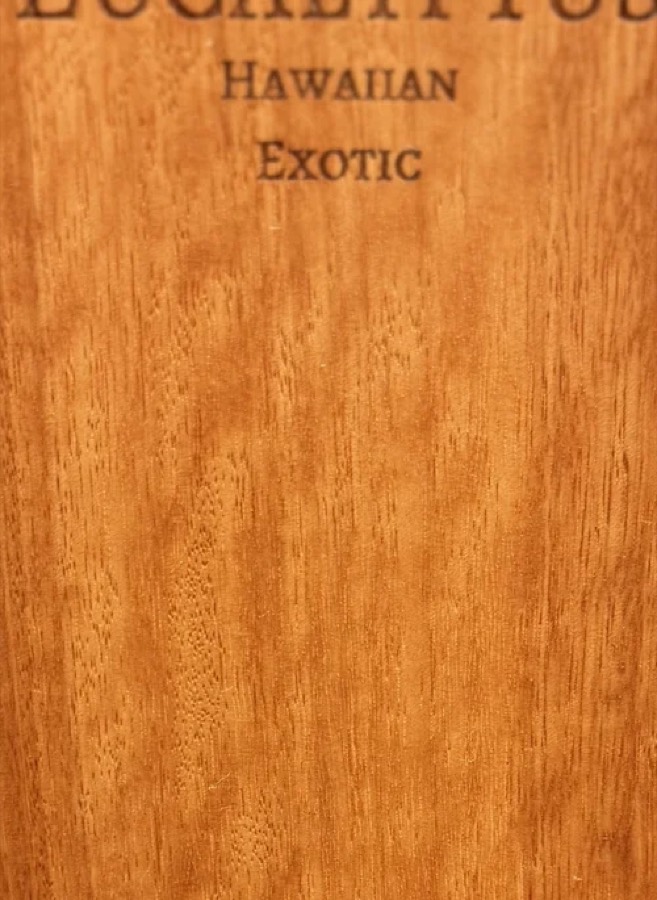
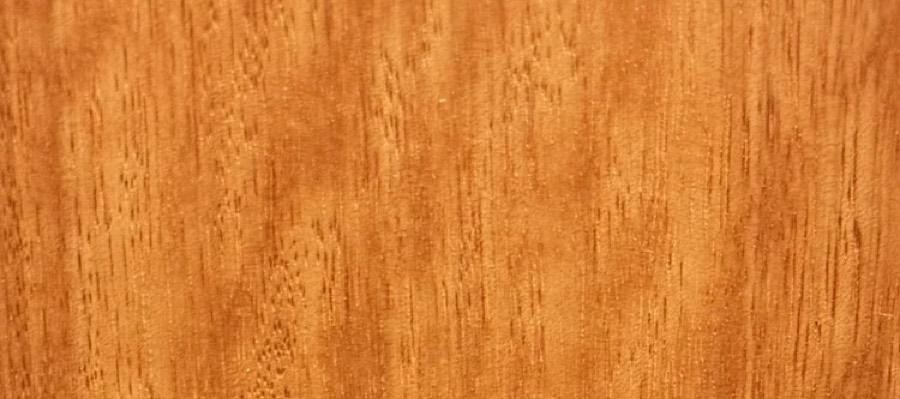
Detail of Eucalyptus grain — figured wood texture, photographed at Raw Heartwood
A close read on the grain. Detail of this specimen

What you see.

Heartwood pale yellow-brown to light pinkish brown on E. globulus. Deepens to a warm tan with age. Sapwood paler, not always sharply set off. Other eucalypts in the trade run the gamut — pale straw on saligna, deep red on Jarrah, near-chocolate on ironbark.
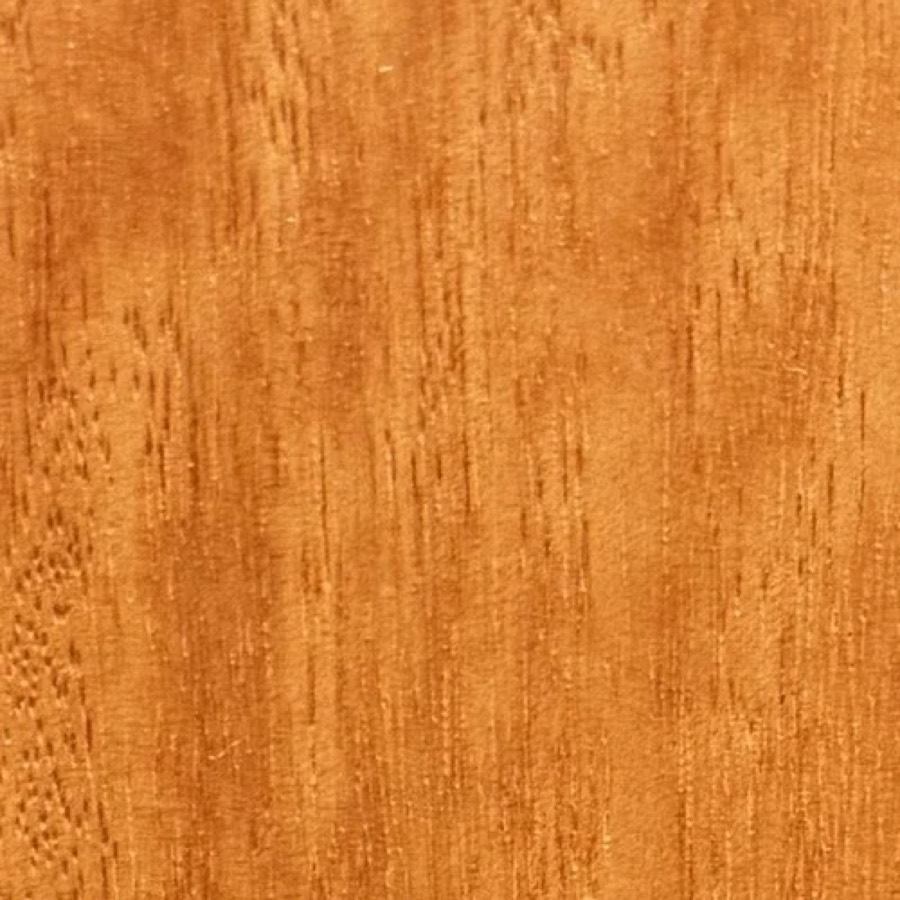
Heartwood color detail of Eucalyptus (Eucalyptus globulus)

Heartwood, this specimen

How the grain runs.

Interlocked. Quartersawn faces show a clean ribbon figure. Moderately coarse, uniform texture, moderate luster.

Closer detail of Eucalyptus grain figure

Closer in

On the bench.

Moderately durable. Less so than Jarrah or Ironbark. Marine borers and termites get in without treatment. Hard work. High density, interlocked grain, and a long list of drying defects — collapse, surface check, end-split. Steam-reconditioning is often part of the process. Once it is dry and stable, it machines, glues, and finishes well. Pre-bore for nails. Mild eucalyptus-menthol at the cut. Fades with seasoning. Dust irritates lungs and skin in some workers. The essential oils are documented sensitizers. Standard dust protection.

The numbers, looked at directly.

Janka Hardness

0lbf

8,850 N. Side-hardness — force to embed a half-inch steel ball halfway into the wood.

Average Dried Weight

0lbs/ft³

830 kg/m³. At 12% MC.

Specific Gravity

0.55/ 0.69 at 12% MC

Basic over green volume; second number at 12% moisture content.

Hardness, in context
Pine 380 Cherry 950 Red Oak 1,220 H. Maple 1,450 Hickory 1,820 Jatoba 2,350 eucalyptus

A side-hardness measurement. Higher number, harder wood.

Shrinkage — radial / tangential / volumetric
6.5%radial
10.5%tangential
17.0%volumetric

On sourcing

The most planted hardwood on earth. Plantation criticism follows.

Not on CITES. IUCN Least Concern. Plantation supply is enormous and broadly certified. The plantations themselves draw real environmental criticism — heavy water use, allelopathy, fire risk. In Hawaii the species is naturalized and treated as a problem at higher elevations.

What it's for.

Worth knowing.

Specs swing hard across the genus. Jarrah, Karri, Ironbark, Sydney Blue Gum, Rose Gum — all different woods. Confirm which eucalypt before you spec a job. A lot of Hawaii's local-cut supply traces back to former Hamakua sugar lands replanted under the 1990s biomass program.

Sources & references.

  1. Eucalyptus globulus — Wikipedia contributors
  2. Eucalyptus globulus — IUCN Red List — Fensham, R.; Collingwood, T.; Laffineur, B. (2019)
  3. Tasmanian Blue Gum (Eucalyptus globulus) — The Wood Database
  4. Eucalyptus globulus — EUFORGEN Technical Guidelines
  5. Eucalyptus in Hawaii — CTAHR, University of Hawaii at Manoa
  6. Eucalyptus globulus — Atlas of Living Australia

Common questions.

Is eucalyptus hard enough for flooring?
Yes. At 1990 lbf on the Janka scale (a USDA Forest Products Laboratory value at 12% MC), Eucalyptus globulus is a dense, hard wood, and flooring is among its listed uses along with furniture, veneer, and construction lumber.
Can eucalyptus be used outdoors?
It is only moderately durable, less so than Jarrah or Ironbark, and marine borers and termites get into it without treatment. It is not a low-maintenance choice for exposed outdoor use unless treated.
Is eucalyptus difficult to work with?
It is hard work: high density, interlocked grain, and a long list of drying defects like collapse, surface check, and end-split, with steam-reconditioning often part of the process. Once dry and stable it machines, glues, and finishes well, though you should pre-bore for nails and use standard dust protection, since the essential oils are documented sensitizers.

From the library to your bench

We mill, dry & sell Eucalyptus in West Chicago.

Tell us what you're building and we'll cut to order.

Request a slab or a cut →