
What you see.
Heartwood pale yellow-brown to light pinkish brown, sometimes with darker streaks. Narrow pale sapwood, not always sharply set off. Soft satiny luster typical of cypress.
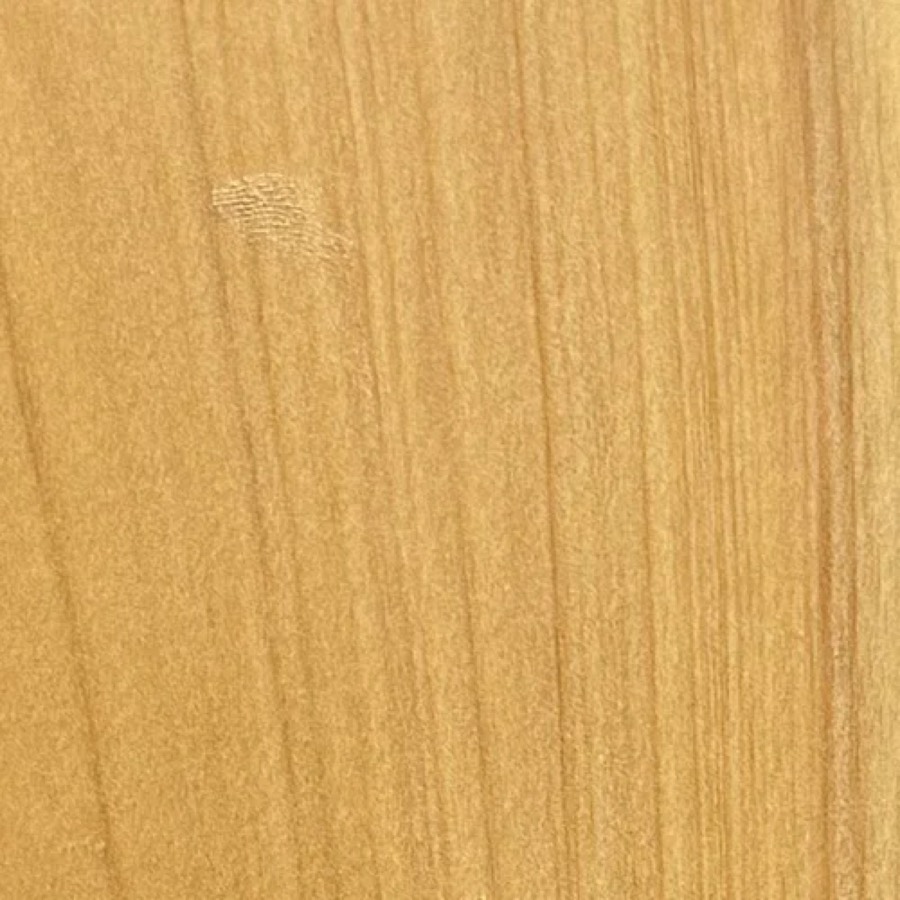
Heartwood, this specimen

Plantation cypress out of Mexico, gone half-feral on Maui and Big Island.
Hawaiian Cypress (Cupressus lusitanica) is an exotic hardwood with a Janka hardness of 620 lbf. Its heartwood is pale yellow-brown to light pinkish brown, sometimes with darker streaks, with straight grain and a fine, even texture.
Cupressus lusitanica Mexican Cypress (Hawaiian-grown plantation) · Mexican Cypress (Hawaiian-grown plantation) · C
C.
"Hawaiian Cypress" is an informal label and stocks vary, so confirm the species when you order. Heartwood pale yellow-brown to light pinkish brown, sometimes with darker streaks.
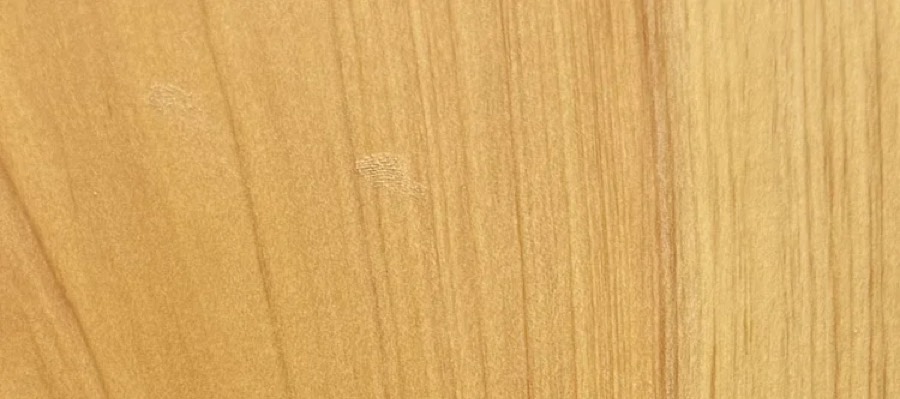
Heartwood pale yellow-brown to light pinkish brown, sometimes with darker streaks. Narrow pale sapwood, not always sharply set off. Soft satiny luster typical of cypress.
Heartwood, this specimen
Straight. Fine, even texture. Moderate ring transition — clean subtle figure on flatsawn faces.
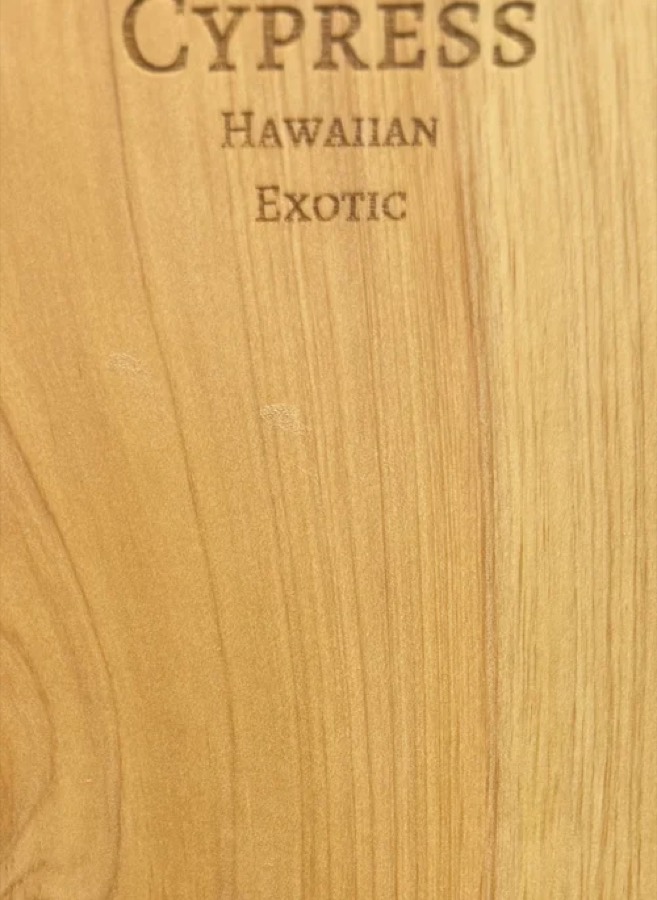
Closer in
Moderately durable heartwood. Better than most plantation softwoods of this density. Insect resistance is moderate. Easy under hand and machine. Planes, turns, carves clean. Holds nails and screws. Glues without trouble. Takes paint and stain. Plantation knots are common and can tear out a little. Sweet, resinous cedar-cypress smell at the cut. Hangs around in cabinetry for years. Occasional skin and respiratory irritation in sensitive workers. Standard dust precautions.
0lbf
2,760 N. Side-hardness — force to embed a half-inch steel ball halfway into the wood.
0lbs/ft³
495 kg/m³. At 12% MC.
0.42/ 0.49 at 12% MC
Basic over green volume; second number at 12% moisture content.
A side-hardness measurement. Higher number, harder wood.
On sourcing
Not on CITES. IUCN Least Concern. Introduced plantation in Hawaii, not native, not protected. Naturalized but not a serious invasive. Plantation supply is well managed.
"Hawaiian Cypress" is an informal label and stocks vary, so confirm the species when you order. Most Hawaiian-milled material is C. lusitanica from territorial-era forestry plantings — old windbreak rows still throw the occasional clear log.
From the library to your bench
Tell us what you're building and we'll cut to order.
Request a slab or a cut →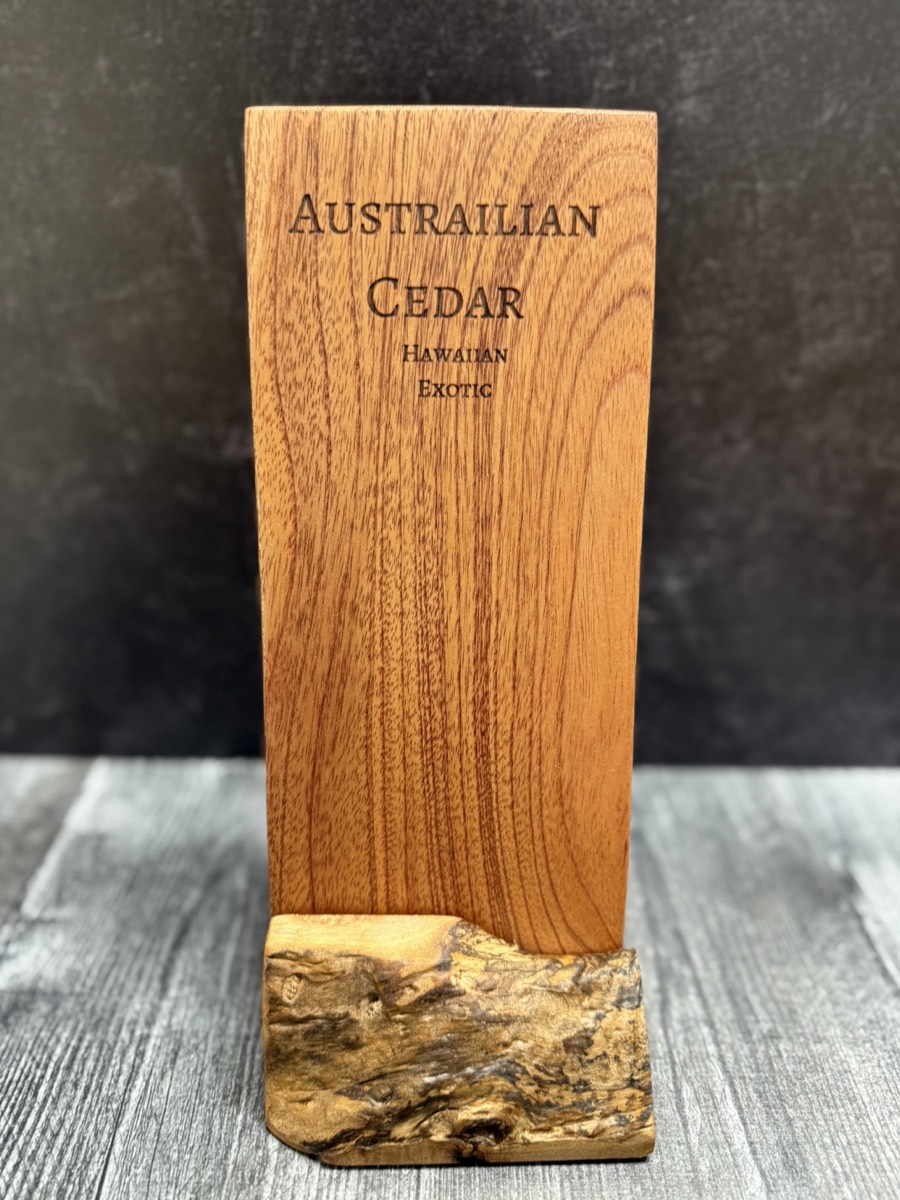
Toona ciliata
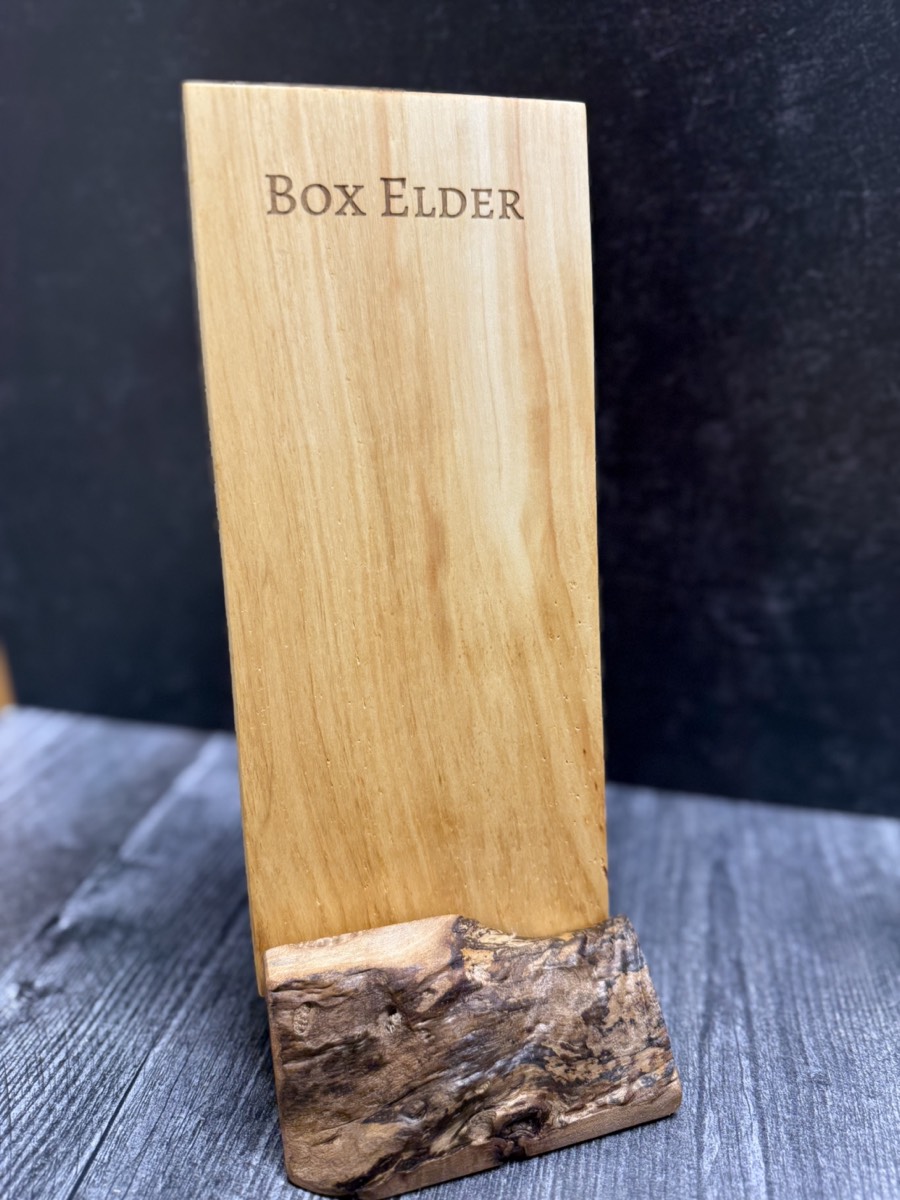
Acer negundo
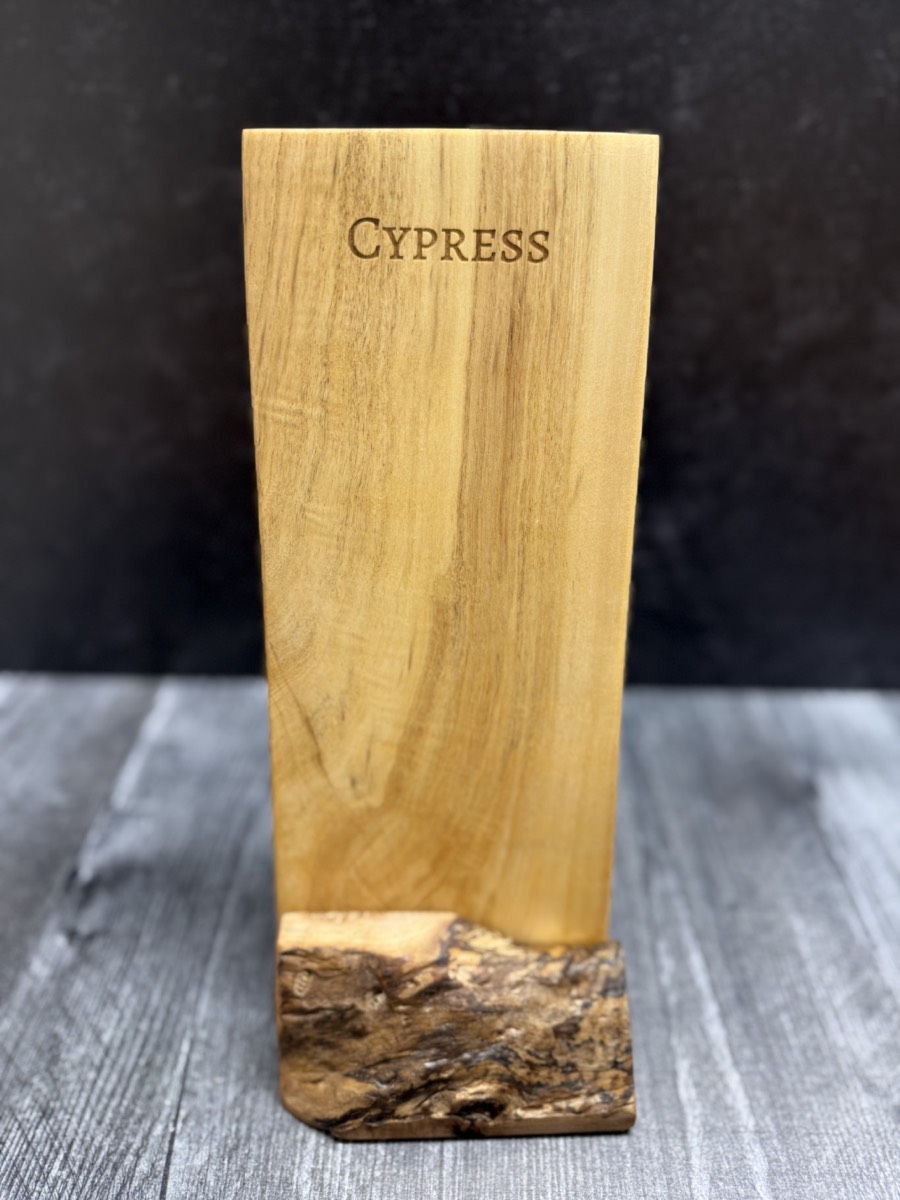
Taxodium distichum
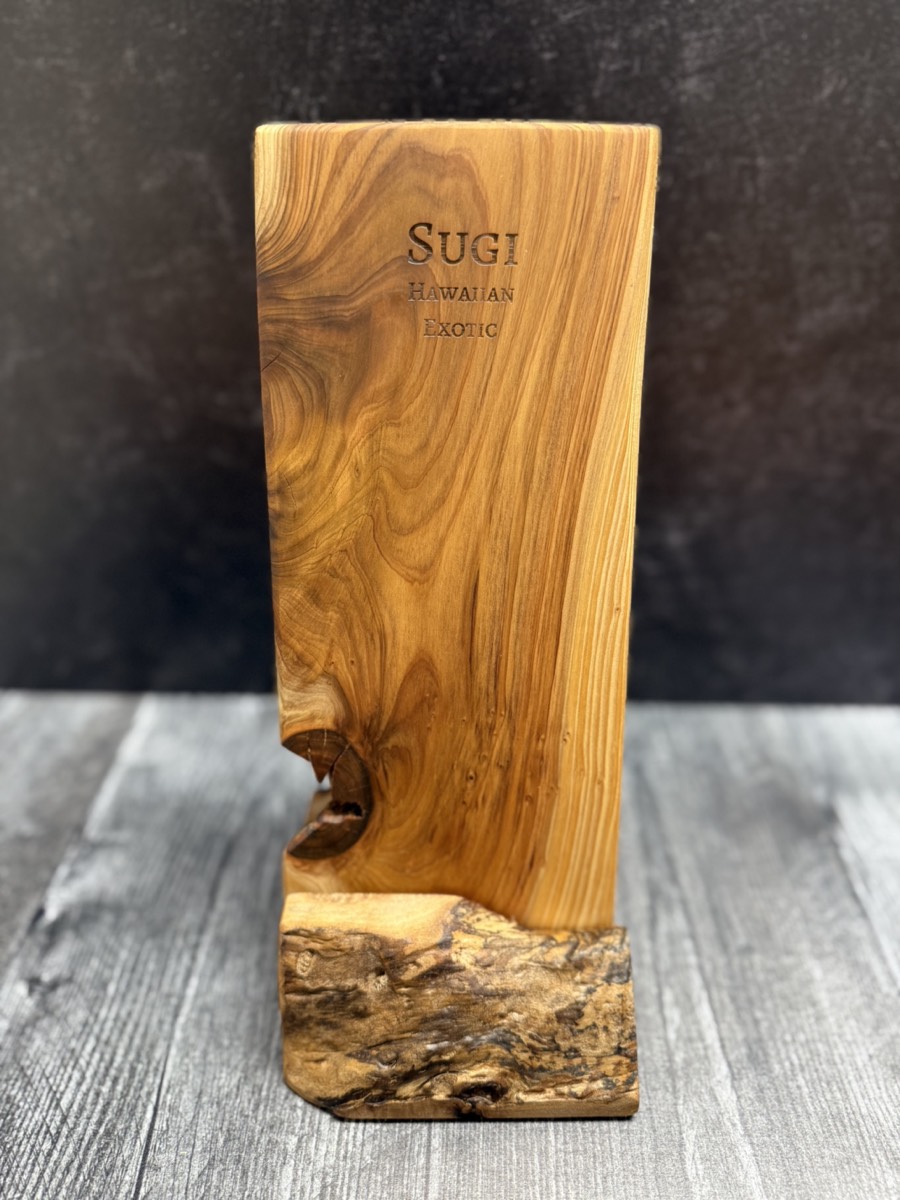
Cryptomeria japonica