
What you see.
Not much contrast between heart and sap. The whole board runs yellowish gray to light brown with subtle yellow streaks. Spalts and blue-stains aggressively — character lumber goes for a premium.
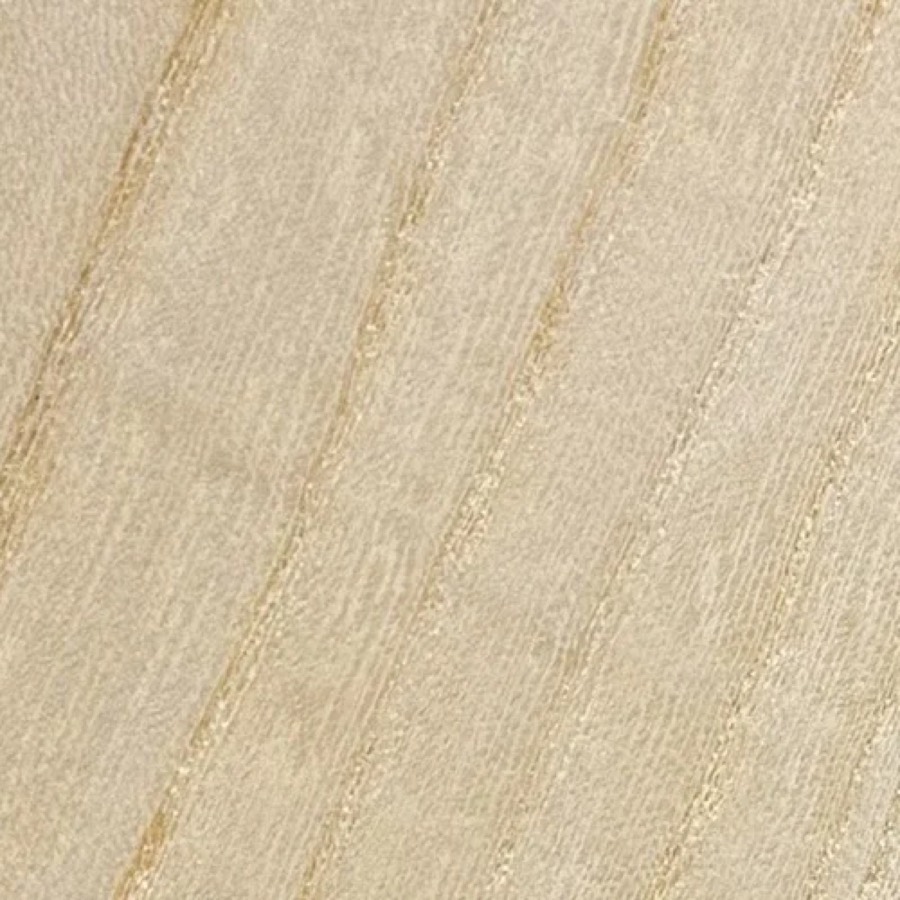
Heartwood, this specimen
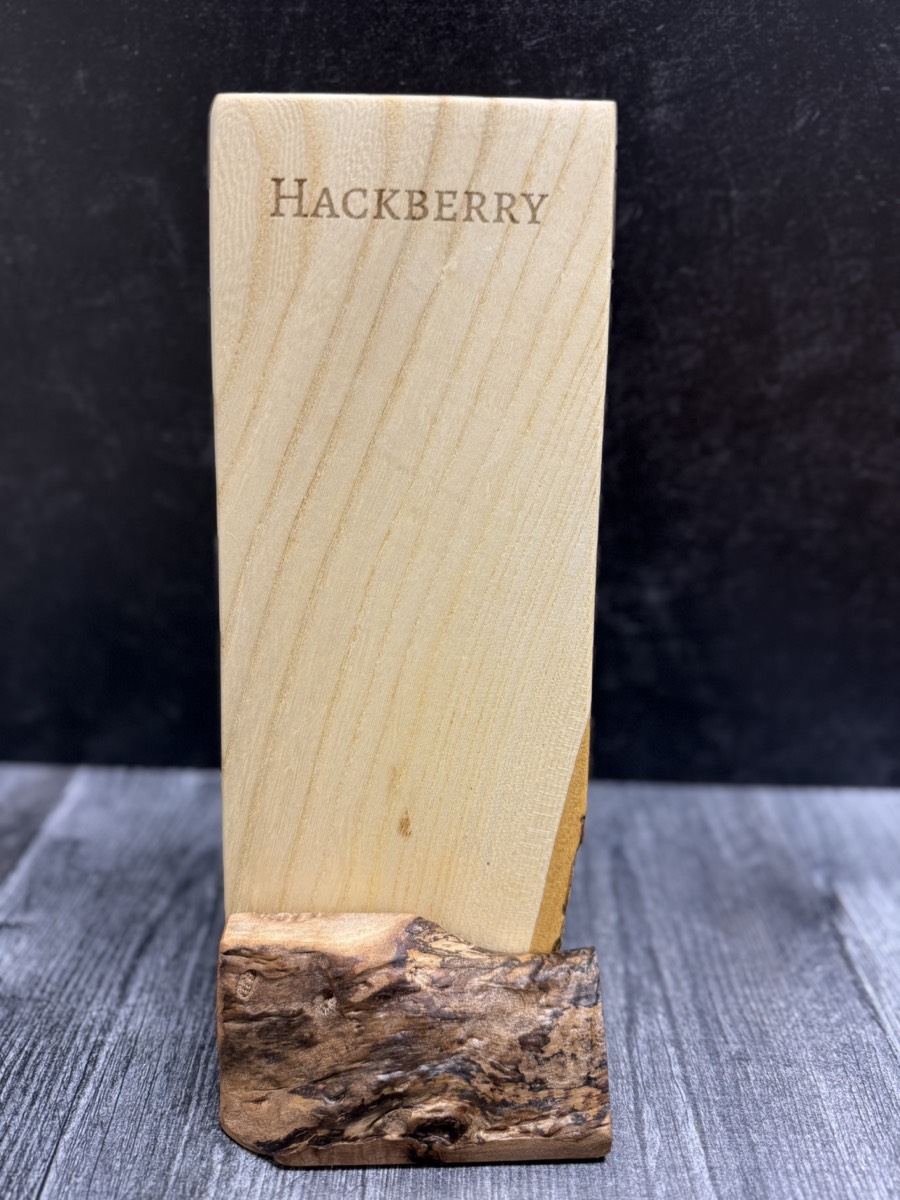
Mechanically a near-twin to ash. Lighter in color, cheaper when you can find it.
Hackberry (Celtis occidentalis) is a domestic hardwood with a Janka hardness of 880 lbf. Mechanically a near-twin to ash, it runs yellowish gray to light brown with little contrast between heart and sap, and spalts and blue-stains readily.
Celtis occidentalis Eastern and central United States from New England south to northern Florida and west across the Great Plains into eastern Wyoming and Colorado
Eastern and central United States from New England south to northern Florida and west across the Great Plains into eastern Wyoming and Colorado.
Mechanically a near-twin to ash, lighter in color, cheaper when you can find it. Not much contrast between heart and sap.
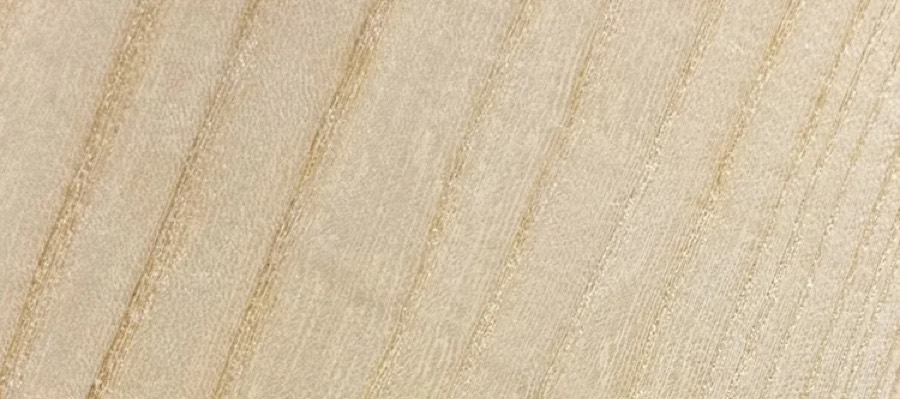
Not much contrast between heart and sap. The whole board runs yellowish gray to light brown with subtle yellow streaks. Spalts and blue-stains aggressively — character lumber goes for a premium.
Heartwood, this specimen
Mostly straight, sometimes slightly interlocked. Moderate to coarse, uneven texture. Ring-porous, so the figure on a sawn face reads a lot like ash or elm.
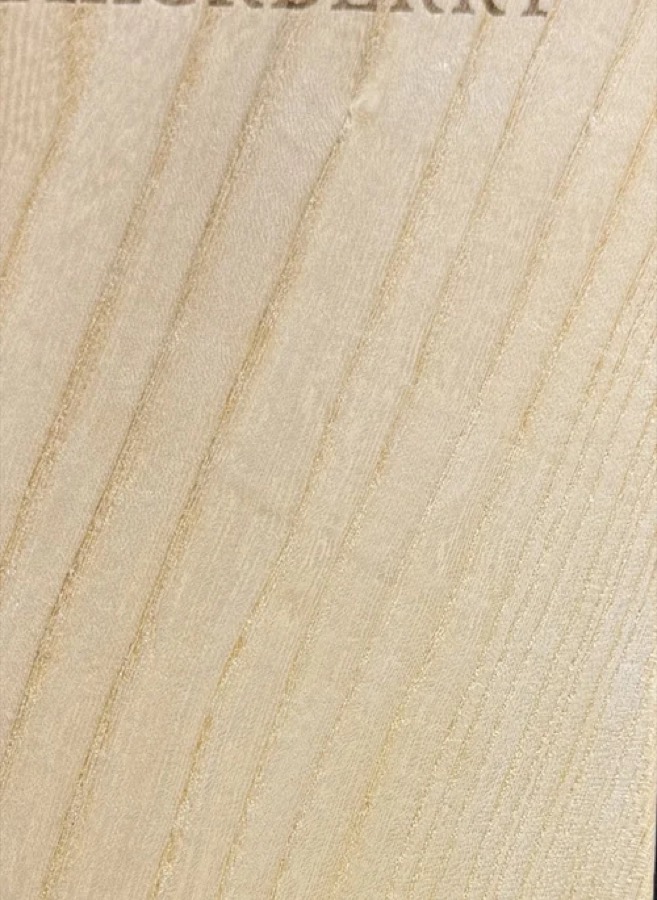
Closer in
Non-durable. Sapwood stains and bugs out fast. Keep it inside. Good under hand and machine despite the coarse texture. Steam-bends well. Glues without trouble. Stains and finishes readily. Often subbed for ash in furniture parts. Mild. Nothing distinct. Reported skin irritation, uncommon. Same family as elm but the pollen is much milder.
0lbf
3,910 N. Side-hardness — force to embed a half-inch steel ball halfway into the wood.
0lbs/ft³
593 kg/m³. At 12% MC.
0.49/ 0.53 at 12% MC
Basic over green volume; second number at 12% moisture content.
A side-hardness measurement. Higher number, harder wood.
On sourcing
Not on CITES. Not on the IUCN Red List. Widely distributed and abundant.
Mechanically a near-twin to ash, lighter in color, cheaper when you can find it. You have to mill it and dry it fast or it spalts on you. Defect for utility lumber, feature for character stock.
From the library to your bench
Tell us what you're building and we'll cut to order.
Request a slab or a cut →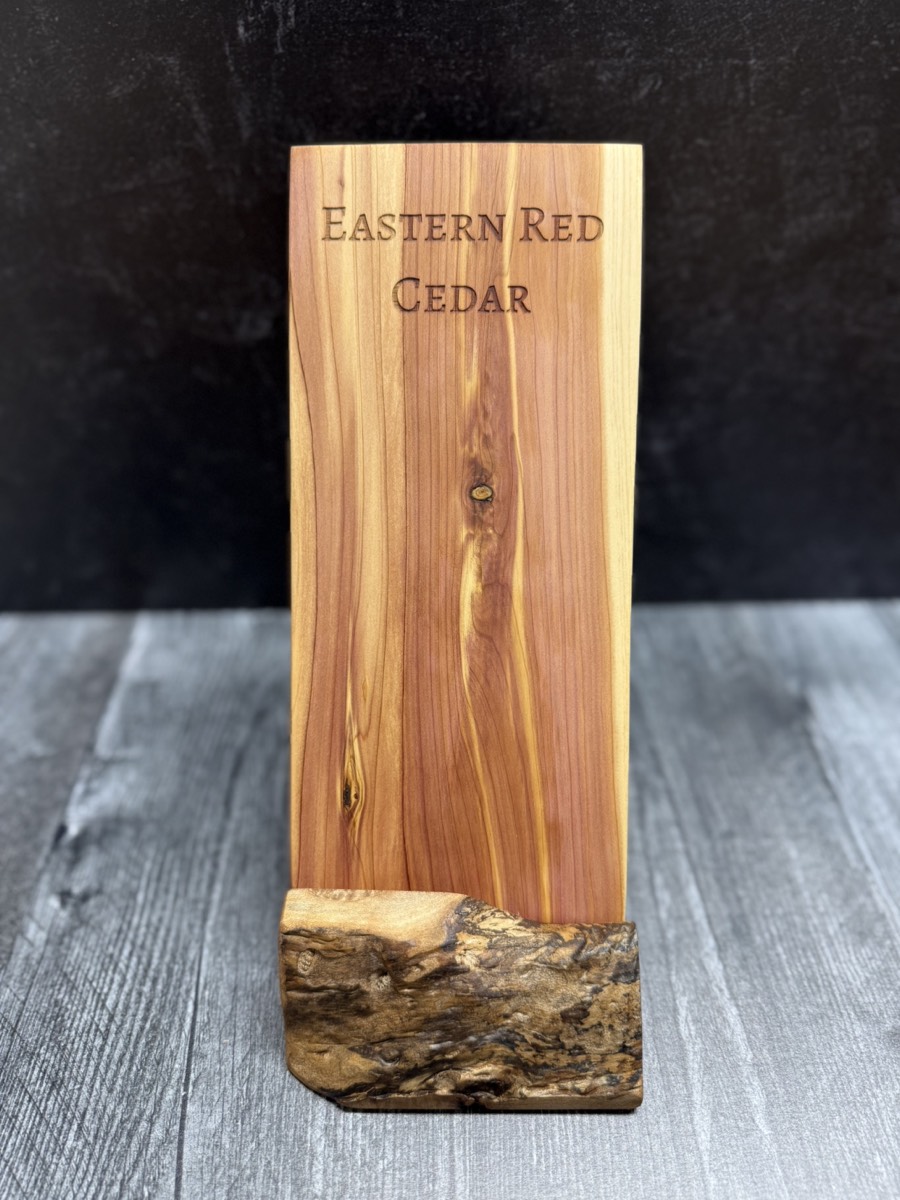
Juniperus virginiana
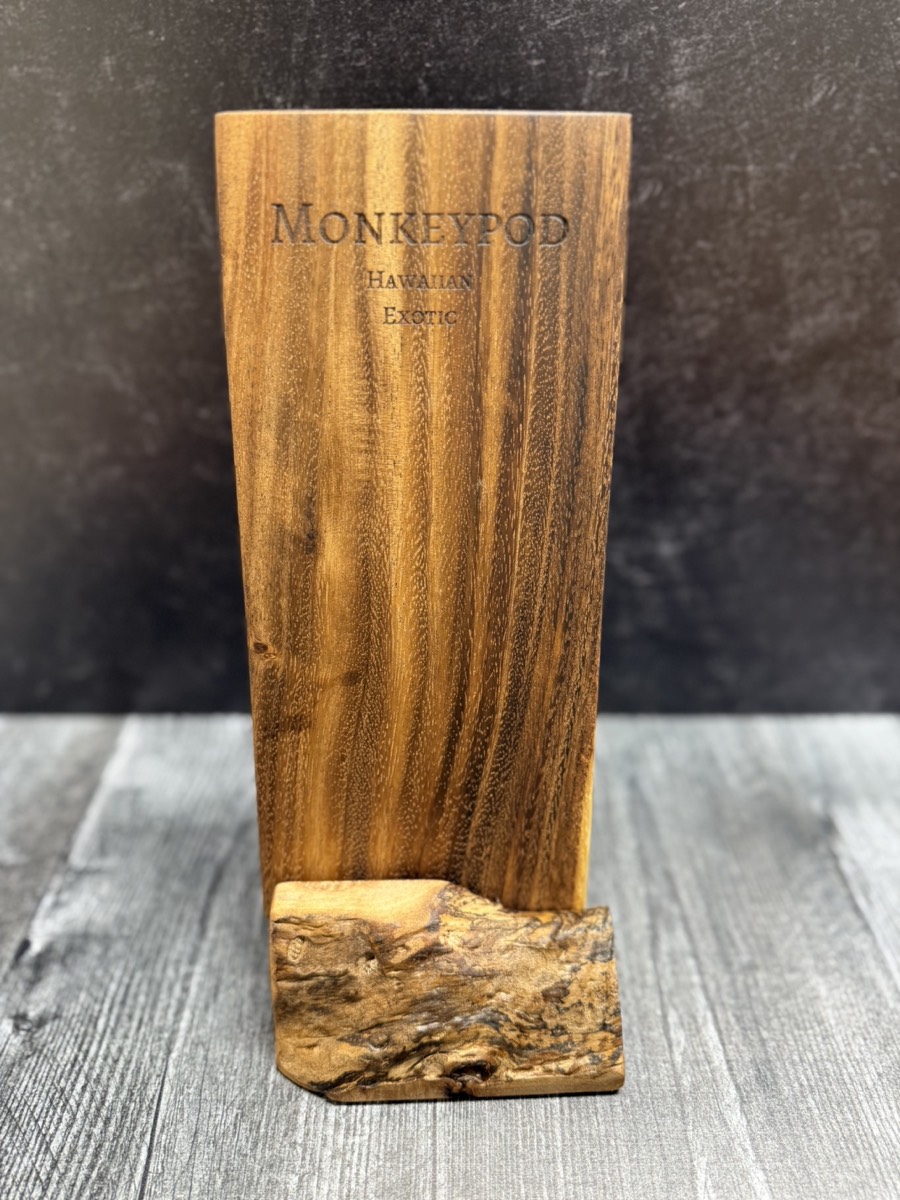
Samanea saman
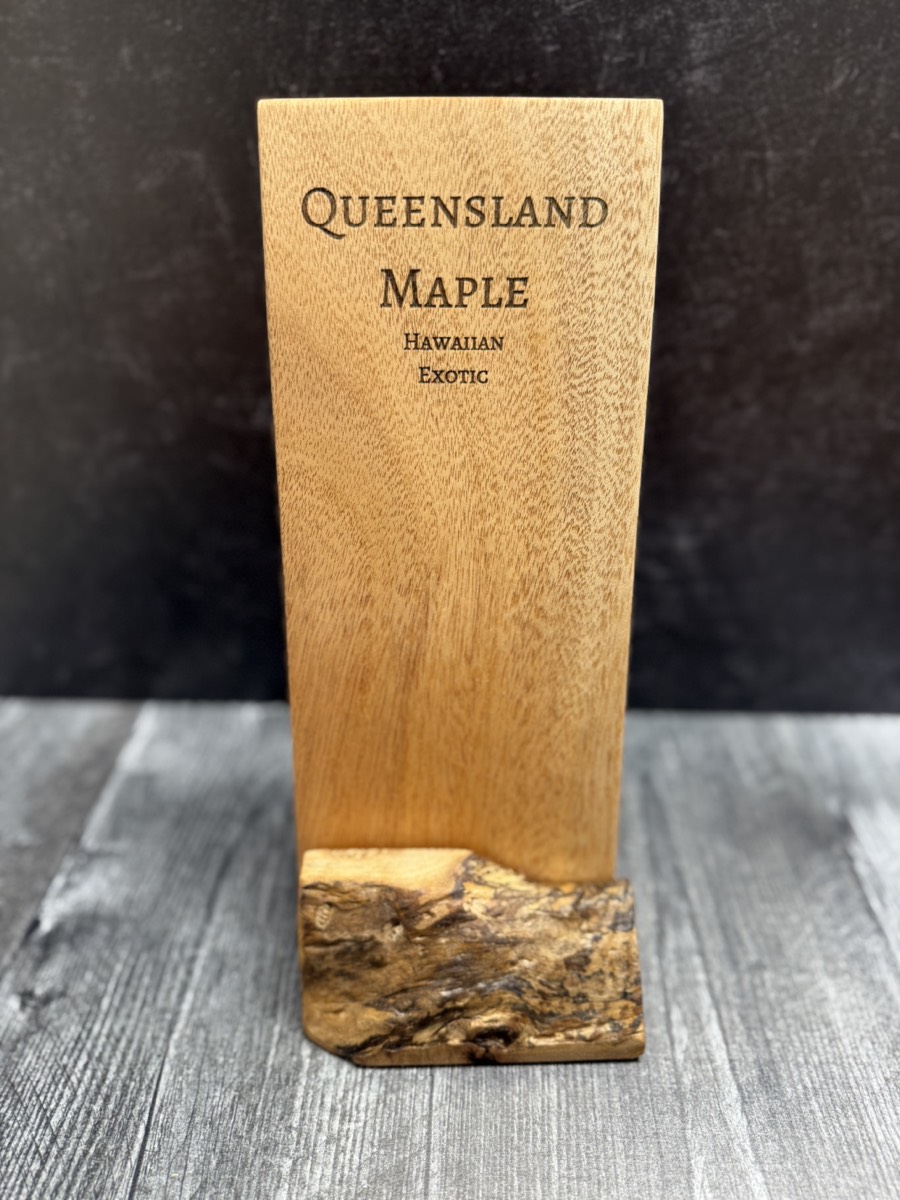
Flindersia brayleyana
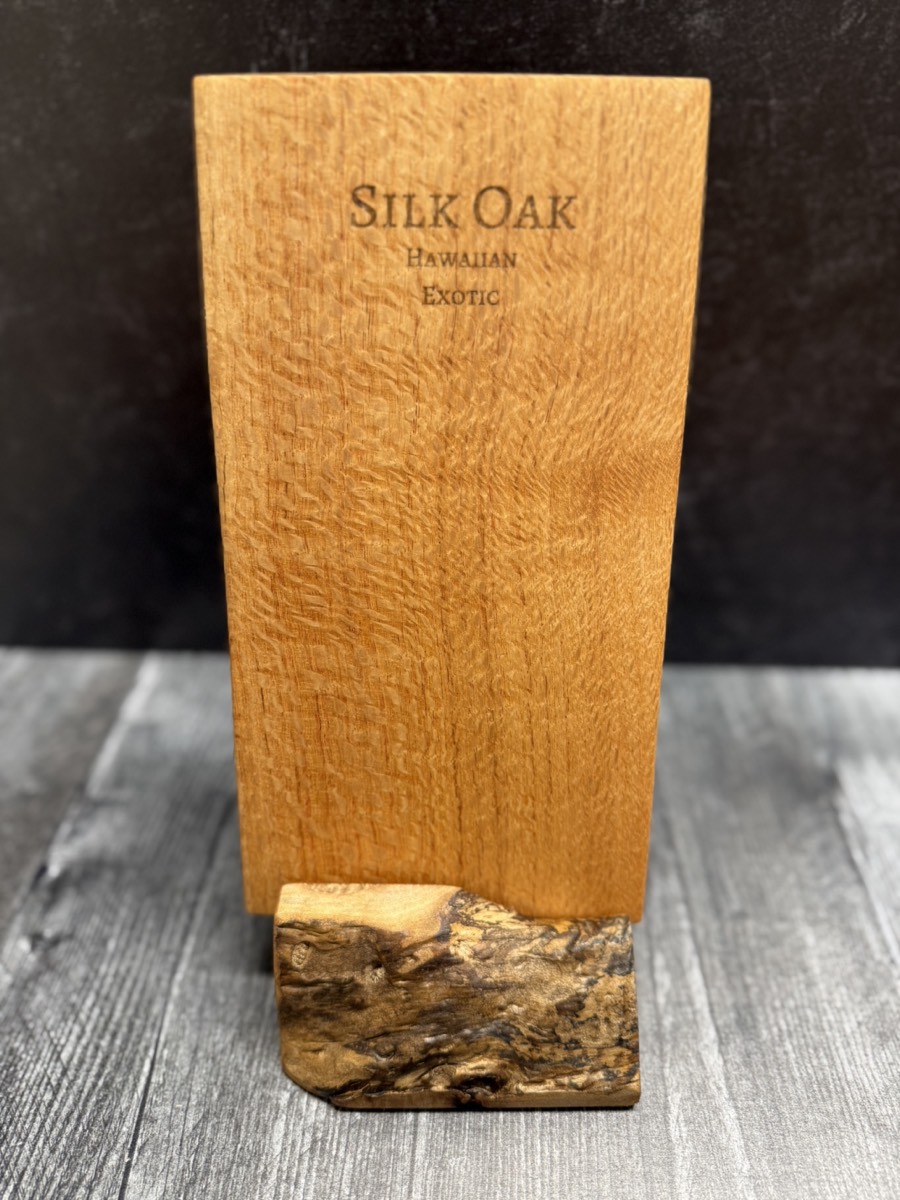
Grevillea robusta