Raw HeartwoodXylarium
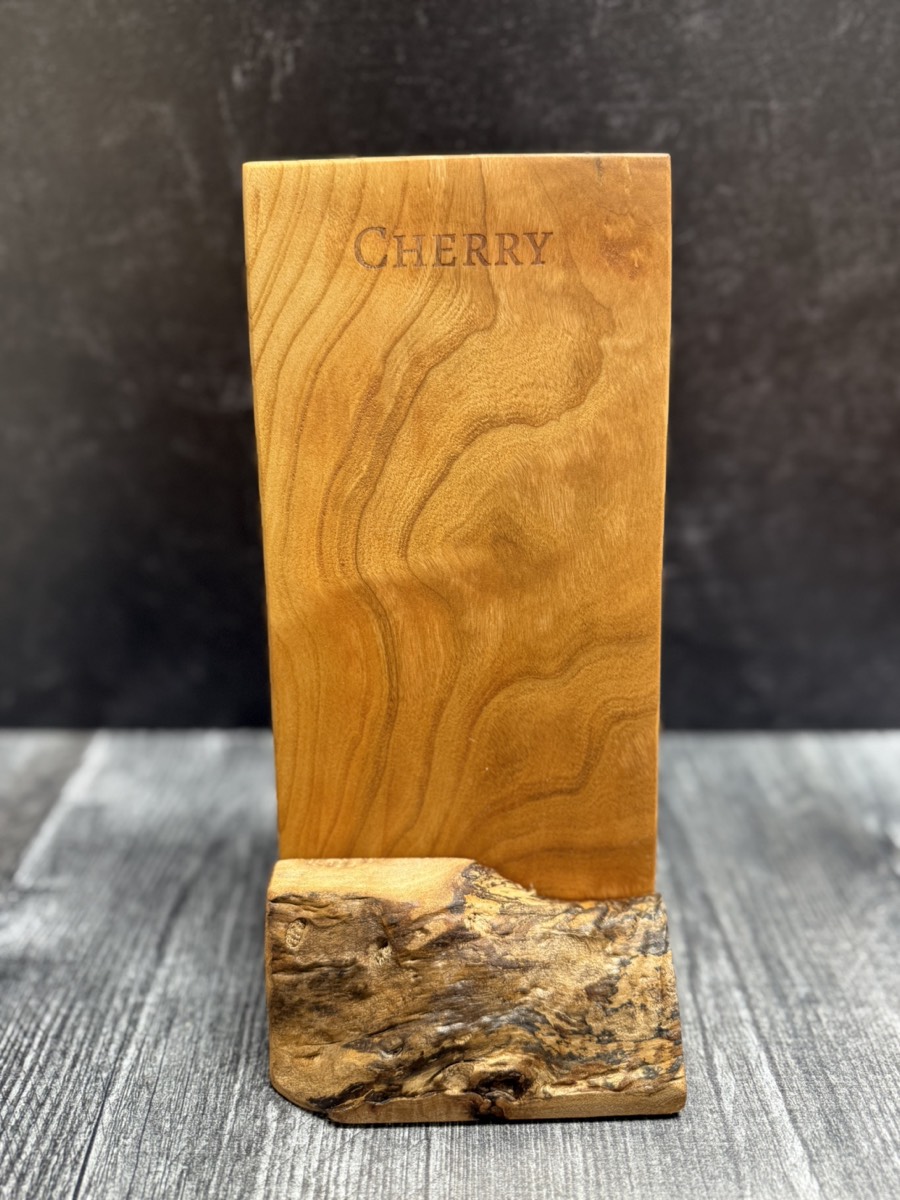
Cherry specimen — Prunus serotina
DomesticPrunus serotina

Cherry

Pinkish blonde off the saw. Dark rosewood by next year.

Cherry (Prunus serotina) is a domestic hardwood from eastern North America with a Janka hardness of 950 lbf. It mills off the saw pinkish brown and photo-darkens with light and UV to a warm reddish brown within a year.

Category
Domestic
Janka
950 lbf
Botanical
Prunus serotina
Shipped at
6–8% MC

Prunus serotina Black Cherry (American) · Black Cherry (American) · Eastern North America

Eastern North America.

Cherry photo-darkens. Pinkish brown off the saw.

Detail of Cherry grain — figured wood texture, photographed at Raw Heartwood
A close read on the grain. Detail of this specimen

What you see.

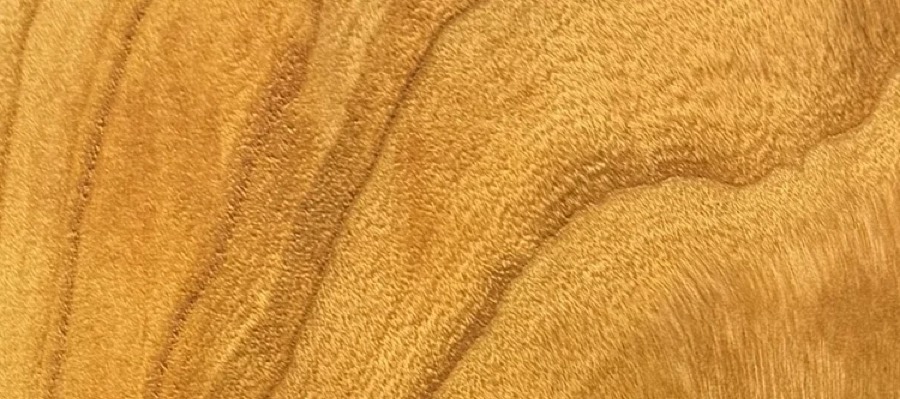
Pinkish brown off the saw. Light and UV pull it darker over months. A year in, it is the warm reddish brown people know. Sapwood is a narrow pale yellow-white. Gum pockets and dark pith flecks come with the territory.
Heartwood color detail of Cherry (Prunus serotina)

Heartwood, this specimen

How the grain runs.

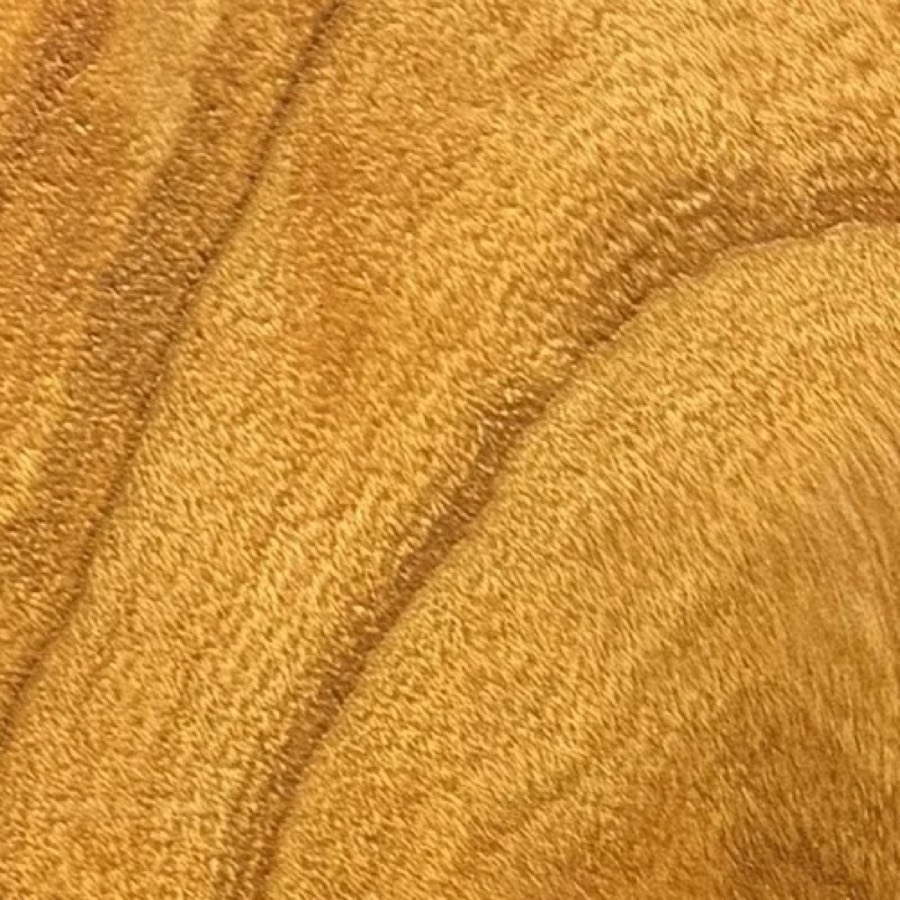
Mostly straight. Curly and figured boards turn up. Fine, even texture. Good luster — a satin sheen under finish.

Closer detail of Cherry grain figure

Closer in

On the bench.

Heartwood moderately durable to non-durable. Sapwood is fair game for bugs and fungus. Keep it inside. About as easy as a domestic hardwood gets. Planes, sands, turns, carves clean. Glues without trouble. Takes stain predictably — though most of the time you do not need to stain it. The color shows up on its own. Mild and faintly sweet at the cut. The wood is generally fine. Bark and foliage carry cyanogenic glycosides — that is a tree problem, not a lumber problem. Standard dust precautions.

The numbers, looked at directly.

Janka Hardness

0lbf

4,230 N. Side-hardness — force to embed a half-inch steel ball halfway into the wood.

Average Dried Weight

0lbs/ft³

560 kg/m³. At 12% MC.

Specific Gravity

0.47/ 0.50 at 12% MC

Basic over green volume; second number at 12% moisture content.

Hardness, in context
Pine 380 Cherry 950 Red Oak 1,220 H. Maple 1,450 Hickory 1,820 Jatoba 2,350 cherry

A side-hardness measurement. Higher number, harder wood.

Shrinkage — radial / tangential / volumetric
3.7%radial
7.1%tangential
11.5%volumetric

On sourcing

Where this wood comes from matters.

Not on CITES. IUCN Least Concern. Pennsylvania Allegheny cherry is one of the better-managed hardwood resources on the continent. Growth currently runs ahead of harvest.

What it's for.

Worth knowing.

Cherry photo-darkens. A board can look almost blonde the day you mill it and end up rosewood-deep a year later. If half a piece sits in sunlight and half does not, you will see it. Plan for the drift. Pennsylvania Allegheny stock is the benchmark.

Sources & references.

  1. Wood Handbook — Wood as an Engineering Material (FPL-GTR-282) — USDA Forest Service, Forest Products Laboratory (2021)
  2. Black Cherry (Prunus serotina) — FPL Tech Sheet — USDA Forest Service, Forest Products Laboratory
  3. Silvics of North America: Prunus serotina Ehrh. — Black Cherry — Marquis, David A. (USDA Forest Service) (1990)
  4. Prunus serotina — IUCN Red List of Threatened Species — Stritch, L.; Barstow, M. (2019)
  5. Prunus serotina — Wikipedia contributors
  6. Black Cherry (Prunus serotina) — The Wood Database
  7. American Cherry — Species Guide — American Hardwood Export Council (AHEC)

Common questions.

How hard is cherry, and how does it work on the bench?
Cherry has a Janka hardness of 950 lbf (a USDA Forest Products Laboratory value at 12% moisture content), softer than red oak or hard maple. It is about as easy to work as a domestic hardwood gets, planing, sanding, turning, and carving clean and gluing without trouble.
Can cherry be used outdoors?
No. The heartwood is only moderately durable to non-durable and the sapwood is susceptible to insects and fungus, so cherry should be kept inside. It is suited to fine furniture, cabinetry, architectural millwork, paneling, instrument bodies, turned objects, and high-grade veneer.
Why does cherry change color, and where does Raw Heartwood's cherry come from?
Cherry photo-darkens: it can look almost blonde the day it is milled and end up rosewood-deep a year later, so plan for the drift and even sun exposure. Raw Heartwood sources urban-salvaged logs from the Chicago area and kiln-dries its lumber to 6-8% moisture content.

From the library to your bench

We mill, dry & sell Cherry in West Chicago.

Tell us what you're building and we'll cut to order.

Request a slab or a cut →